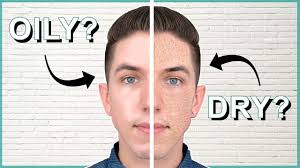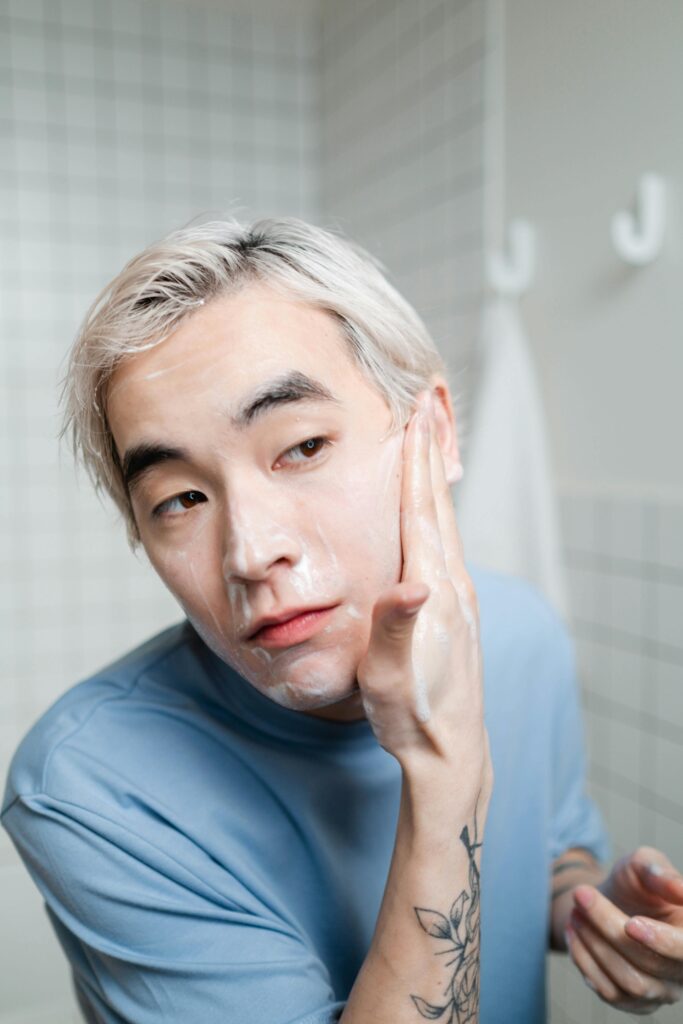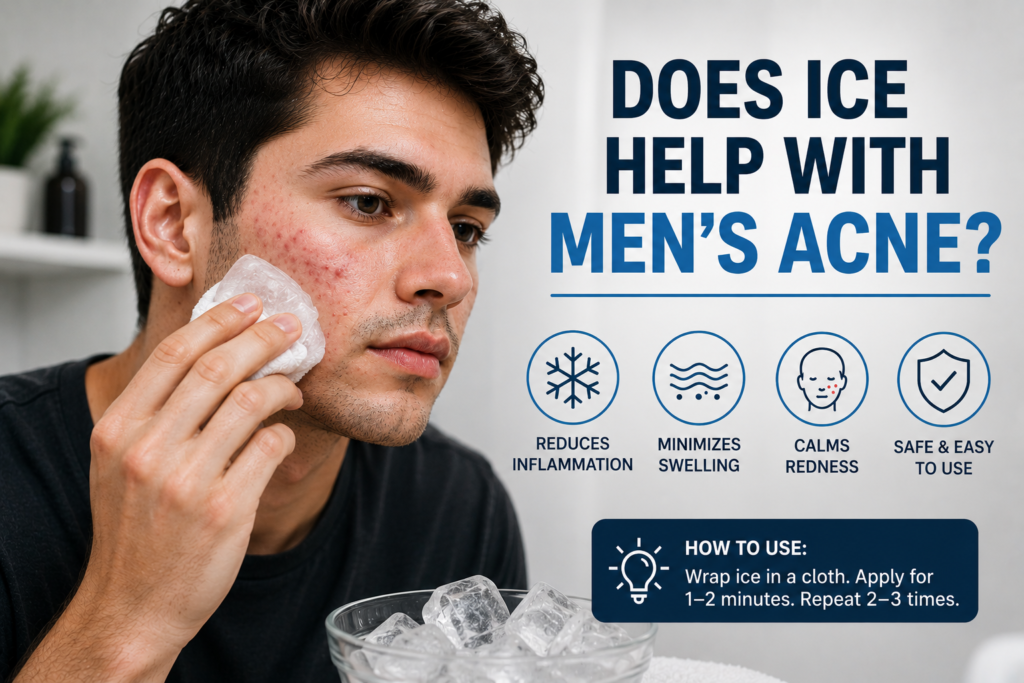
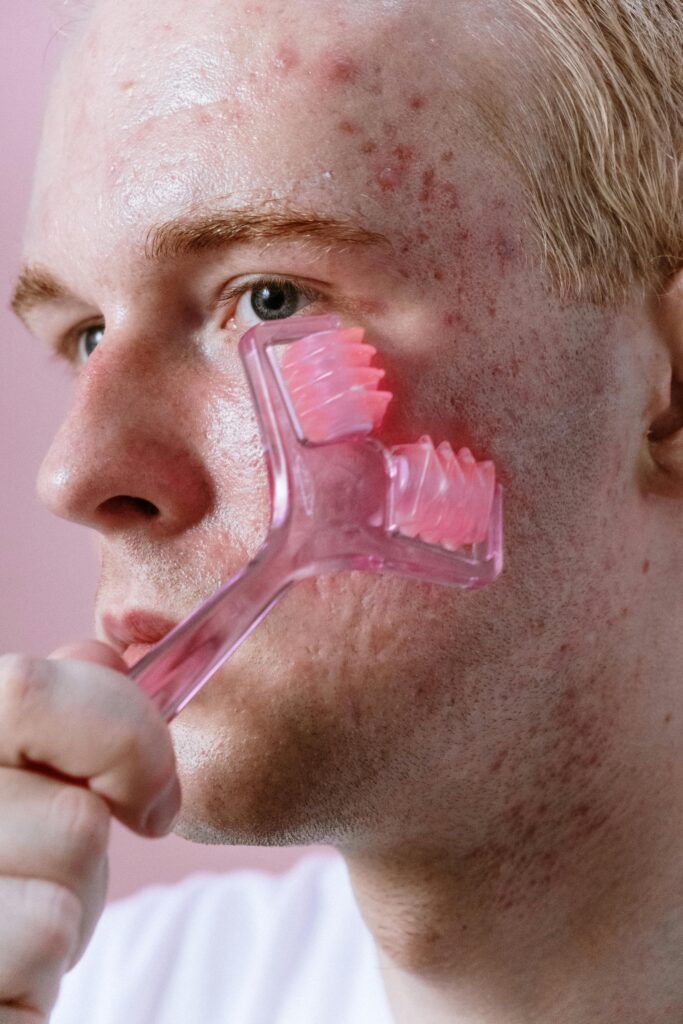
Men get more acne than women during adolescence and young adulthood, mainly due to higher testosterone, larger pores, and thicker skin that produces more oil. Daily shaving and sweat from physical activity make the problem worse, which is why male breakouts often stay severe even after the teenage years. Understanding why do men get more acne than women starts with looking at the biology most skincare advice never mentions.
Most men assume acne is something that disappears after high school. For many, it continues into the 20s and 30s. The first instinct is to blame stress, diet, or skincare habits, but the real cause sits much deeper than any of those. This guide breaks down what causes the breakouts, when they peak, and what you can do about them.
Do Men Actually Get More Acne Than Women?
Men get more severe acne than women during adolescence and young adulthood. After age 25, women actually have higher rates of acne, but men get the more aggressive forms when they do.
A retrospective study of 1,167 acne patients found that 22% of teenage males had moderate acne compared to 10% of teenage females, with severe and inflammatory forms also more common in male groups. The pattern flips in adulthood. Women’s hormonal cycles drive ongoing breakouts well into their 40s, while most men’s acne improves significantly after age 25. Men also tend to get more cystic, nodular, and inflammatory acne when they do break out, which is why scarring shows up more often in male patients.
5 Main Causes Why Men Get More Acne Than Women
Why men get more acne comes down to a combination of biology and lifestyle. Hormones drive the foundation. Skin structure amplifies it. Daily habits make it worse.
1. Higher Testosterone Drives Excess Oil
Testosterone is the root cause behind most testosterone acne in men. It binds to receptors on the sebaceous glands and signals them to produce more sebum. That sebum mixes with dead skin cells inside the pore, creates a blockage, and gives acne-causing bacteria the environment they need to grow.
Men produce far more testosterone than women, which is why male skin runs oilier across every age group. The more testosterone in the system, the more oil the skin makes, and the more breakouts follow.
2. Larger Pores and More Active Sebaceous Glands
Men have larger pores and a higher density of sebaceous glands than women. Bigger pores trap more oil, dirt, and dead skin. More glands mean more oil reaches the surface throughout the day. The combination creates a constant cycle of buildup, especially in the T-zone, jawline, and forehead.
This is also why men’s pores look more visible than women’s. The size difference is biological and does not change with skincare alone.
3. Thicker, Oilier Skin Holds More Buildup
Male skin is around 20% thicker than female skin. The denser dermis traps more bacteria, dead cells, and debris against the pore lining, which turns small clogs into inflamed pimples faster than it does on female skin.
Thicker skin also slows down how quickly topical acne treatments penetrate. This is why most men do not see results in the first few weeks of a new routine and end up quitting before the products start working.
4. Daily Shaving Damages the Skin Barrier
Shaving is the most overlooked trigger in male acne. Each pass of the razor removes part of the outer skin layer along with the hair, which weakens the barrier and creates entry points for bacteria. Razor irritation, ingrown hairs, and post-shave breakouts compound the damage every day or every other day.
Alcohol-based aftershaves make it worse. They strip what is left of the barrier, dry the skin out, and trigger more oil production as the skin tries to compensate.
5. Sweat, Sports, and Lifestyle Factors
Workouts, outdoor work, and long days in the heat layer sweat on top of sebum, sunscreen, and dead skin. That mix sits on the face for hours and clogs pores unless cleansed off. Most men also skip skincare entirely or rely on bar soap, which strips the barrier and signals the glands to produce even more oil.
Lifestyle factors are the only cause on this list that a man can fully control, which makes them the most important place to start.
How Testosterone and Hormonal Breakouts in Men Work?
Testosterone acne works through a chain reaction inside the skin. Testosterone converts into a stronger form called dihydrotestosterone (DHT). DHT binds to receptors inside the sebaceous gland and triggers oil production. The more sensitive your receptors, the more oil your skin makes.
This is why hormonal breakouts in men are not always tied to high testosterone levels. Two men with identical testosterone levels can have completely different skin if their receptor sensitivity differs. That is why acne runs in families. The trait being inherited is receptor sensitivity, not testosterone levels themselves.
Hormonal breakouts in men are also tied to severity. A meta-analysis of 37 studies covering 24,649 patients identified being male as one of three major risk factors for acne scarring, with men having 1.58x higher odds of developing scars than women. The combination of bigger glands, thicker skin, and more inflammation is what drives the scarring risk.
Why Men Get Acne on the Back, Chest, and Shoulders?
Men get acne on the back, chest, and shoulders because these areas have a high density of sebaceous glands and trap more sweat than the rest of the body. The skin in these zones is thicker, oilier, and constantly under friction from clothing or gym gear.
Common triggers include:
- Sweat from workouts that mixes with sebum and clogs pores.
- Tight or non-breathable clothing that traps heat and bacteria.
- Backpack straps and sports gear that create friction-based breakouts (acne mechanica).
- Heavy body lotions or hair products that drip down the back during showers.
Body acne usually responds well to a salicylic acid or benzoyl peroxide body wash, especially when used right after physical activity.
When Does Men’s Acne Peak and Improve?
Men’s acne peaks in adolescence and slowly improves throughout adulthood, with most cases easing significantly after age 25.
Here is the typical timeline:
- Adolescence (13–18): Peak severity. Testosterone surges drive maximum sebum production.
- Young adulthood (18–25): Acne often persists, especially without consistent skincare.
- Adulthood (25–35): Frequency drops, but breakouts can still flare during stress or after lifestyle changes.
- 35 and older: Acne becomes uncommon in men, though scarring from earlier years often remains.
Genetics, lifestyle, and skincare habits determine how closely your skin follows this curve.
How Men Can Manage Acne Effectively?
Most male acne responds well to a simple, consistent routine. The basics matter more than the number of products.
- Cleanse twice a day. Use a gentle cleanser in the morning and a salicylic acid wash at night.
- Double cleanse at night. Removes sunscreen, sweat, and pollution that single washes leave behind.
- Apply a non-comedogenic moisturizer. Hydrates the skin without clogging pores, even for oily skin types.
- Use targeted treatments. Salicylic acid clears blackheads, benzoyl peroxide kills bacteria, and retinol speeds up cell turnover.
- See a dermatologist for severe acne. Cystic, scarring, or persistent breakouts often need prescription options like adapalene, tretinoin, or isotretinoin.
Stay consistent for at least six to eight weeks before judging whether a routine is working.
Takeaway
Men do not get more acne than women in every life stage. They get more severe acne when they do, and it happens for biological reasons most men have no control over. Higher testosterone, bigger pores, thicker skin, and daily shaving all stack the deck.
The good news is that the same biology that drives the problem also responds well to a simple routine. With the right products, consistent habits, and a little patience, most male acne is manageable, and the scarring risk drops sharply when treatment starts early.
FAQs
Why do men get more pimples than women?
Men get more pimples than women during adolescence due to higher testosterone, which drives excess oil production. Larger pores, thicker skin, and daily shaving make breakouts more frequent and more inflammatory in male patients.
Does testosterone cause acne in men?
Yes, testosterone causes acne in men by binding to sebaceous gland receptors and triggering excess oil production. The oil clogs pores and feeds acne-causing bacteria. Receptor sensitivity, not just testosterone levels, determines how severe the breakouts get.
Why does men’s acne get worse during puberty?
Men’s acne gets worse during puberty because testosterone levels surge and sebaceous glands grow larger and more active. Excess oil mixes with dead skin cells, clogs pores, and creates the inflammatory breakouts most teenage boys experience on the face and back.
Can men have hormonal acne as adults?
Yes, men can have hormonal acne as adults, though it is less common than in women. Stress, genetics, anabolic steroid use, and receptor sensitivity all contribute to ongoing hormonal breakouts in men, especially around the jawline, chin, and back.
Why do men get acne on their back and chest?
Men get acne on their back and chest because these areas have a high density of sebaceous glands and trap sweat from physical activity. Tight clothing, gym gear, and friction also trigger acne mechanica, which is more common in active men.