If you are still dealing with breakouts well past your teens, you are far from alone, and the fix is not scrubbing harder. A good acne-prone skincare routine for men works by keeping pores clear, calming inflammation, and controlling the oil and bacteria behind most breakouts. The right steps are simple, but they have to be consistent.
Men’s skin comes with a few built-in challenges. It tends to produce more oil, it takes a daily beating from shaving, and it leans toward the deeper, more stubborn kind of breakouts. A good acne-prone skincare routine for men works with all of that instead of against it. Pair the right products with a few smarter habits, and you can expect clearer skin within a few weeks and lasting results as long as you stay consistent.
Why Men Are Prone to Acne?
Men are more prone to acne for reasons that come down largely to hormones. Testosterone drives the skin to produce more sebum, and that extra oil mixes with dead skin cells and bacteria to clog pores. Because male hormone levels stay high into adulthood, acne often does not stop after the teenage years. In one study of adults, about 42% of men still had acne in their 20s, and many kept breaking out into their 30s.
A few other factors stack the odds for men:
- More sebum: Higher oil production means more clogged pores.
- Shaving: Daily shaving irritates skin and can spread bacteria.
- Sweat: Trapped sweat and friction from hats or gear worsen breakouts.
- Deeper acne: Cystic acne, the painful kind under the skin, is more common in men.
None of this means clear skin is out of reach. It simply means a routine built for acne-prone skin is worth the effort.
Know Your Type of Breakout
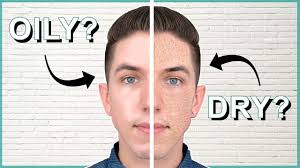
Not all breakouts are the same, and knowing which type you have helps you treat it correctly. Acne generally falls into three categories:
- Comedonal acne is the mildest, made up of blackheads and whiteheads caused by clogged pores.
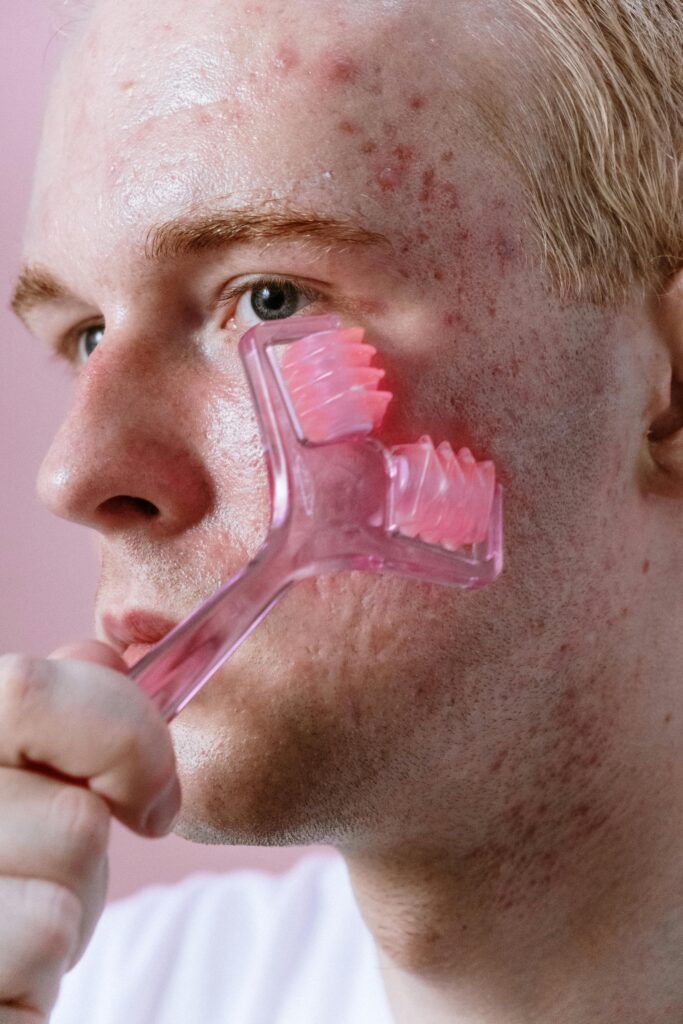
- Inflammatory acne includes the red, raised papules and pus-filled pustules most people picture as pimples.
- Cystic acne is the most severe, with deep, painful bumps that form below the surface and carry the highest risk of scarring.
You can also have more than one type at the same time, which is common and nothing to worry about.
Mild comedonal and inflammatory acne usually respond well to a solid at-home routine. Cystic acne, on the other hand, often needs a dermatologist, so it helps to recognize the difference early.
Step-by-Step Acne-Prone Skincare Routine for Men
An effective acne-prone skincare routine for men comes down to four steps, done morning and night. The aim is to clear pores and fight bacteria without stripping your skin, since over-drying only triggers more oil.
Cleanse
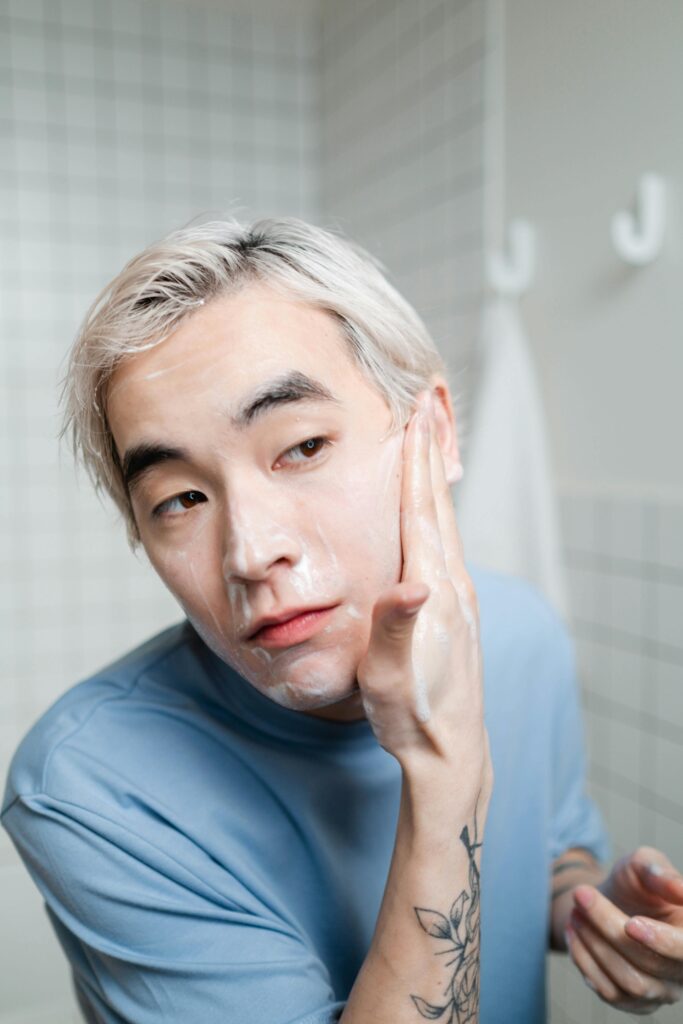
Start with an acne cleanser for men that contains either salicylic acid or benzoyl peroxide, and use it morning and night. Salicylic acid works its way into pores to dissolve the oil and dead skin that cause blackheads and whiteheads, while benzoyl peroxide kills the bacteria behind red, inflamed pimples. Pick the one that matches your main concern rather than using both in the same product, since that combination tends to over-dry the skin.
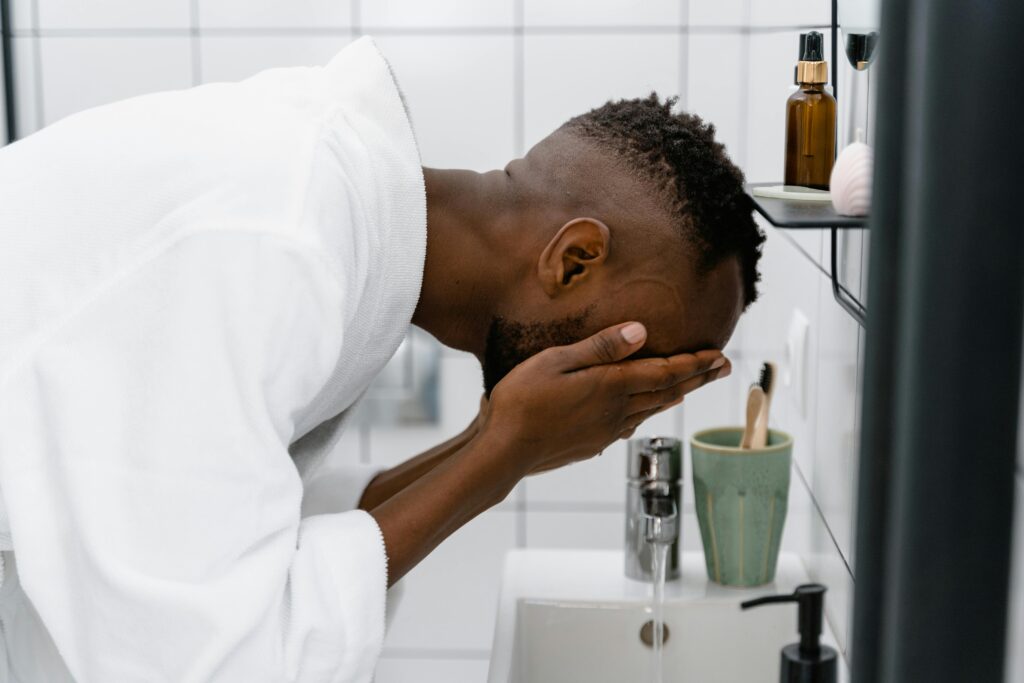
Wash with lukewarm water and massage the cleanser in for a full thirty seconds so the active has time to do its job, then rinse and pat dry. Skip the foaming scrubs and spinning brushes, as physical scrubbing irritates active breakouts and can drag bacteria across your face.
Treat
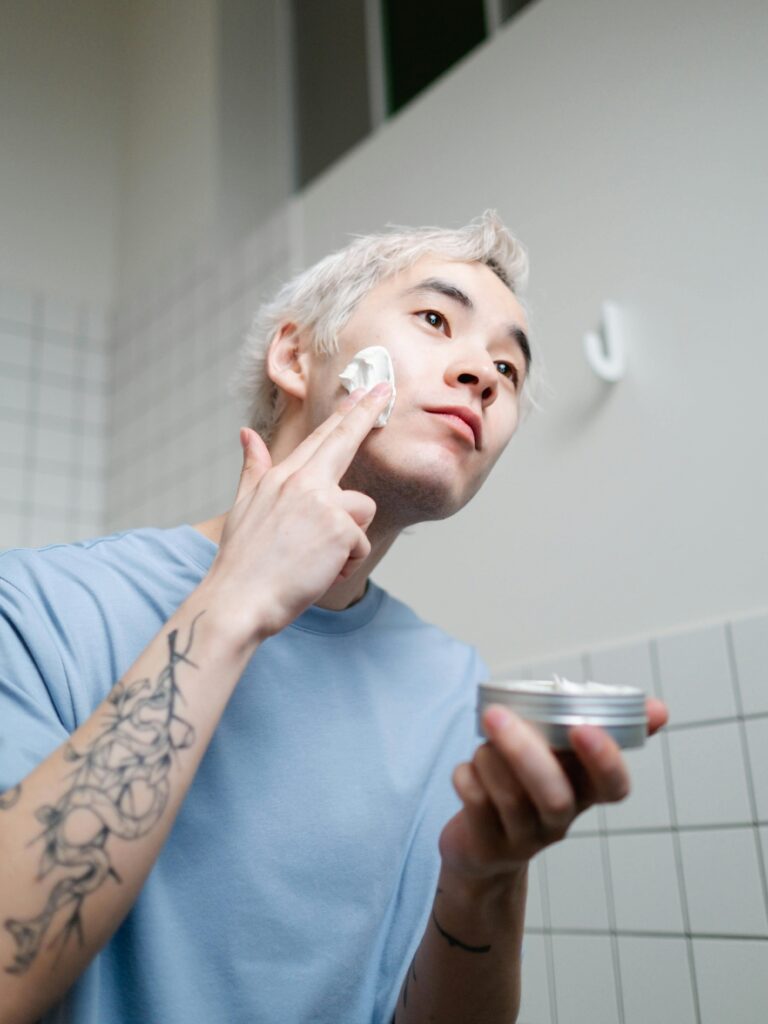
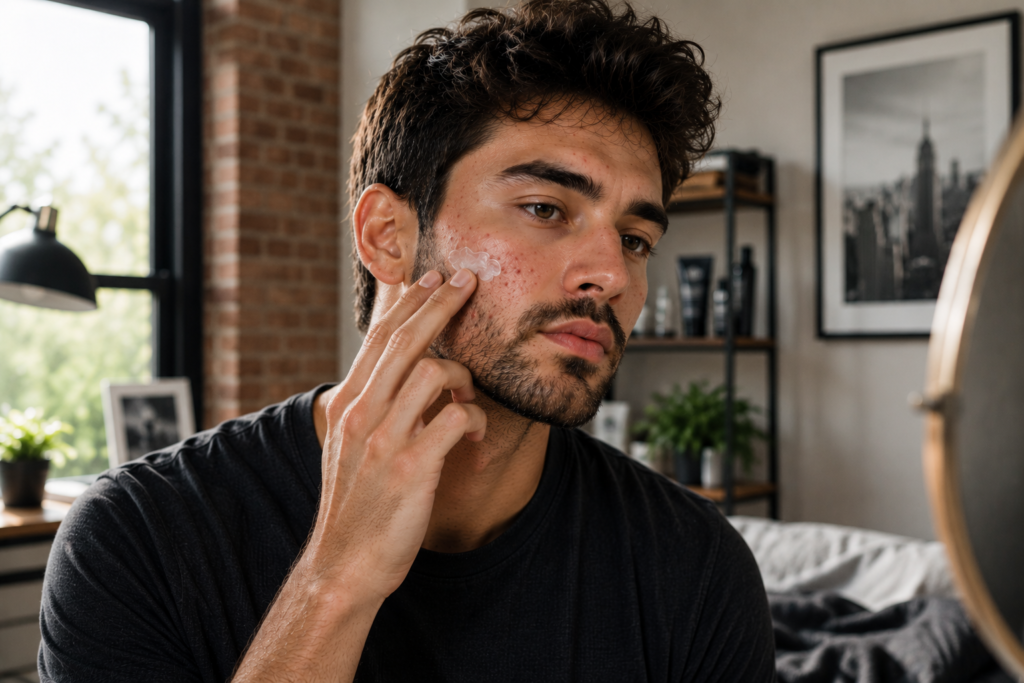
After cleansing, apply your main treatment to the whole face rather than dabbing it only on the pimples you can already see. Most breakouts are forming under the surface long before they appear, so treating the full area heads off the next round. A pea-sized amount is enough to cover the face.
Use one active at a time and introduce it slowly, every other night at first, to let your skin adjust. Layering strong ingredients, such as benzoyl peroxide and a retinoid at once, usually causes more dryness and peeling than progress. If you use a retinoid, save it for nighttime, since it can make skin more sensitive to the sun.
Moisturize
Moisturizer is not optional, even for oily, acne-prone skin. When you strip away too much oil, your skin compensates by making more, which only feeds breakouts, so the right moisturizer keeps that cycle in check.
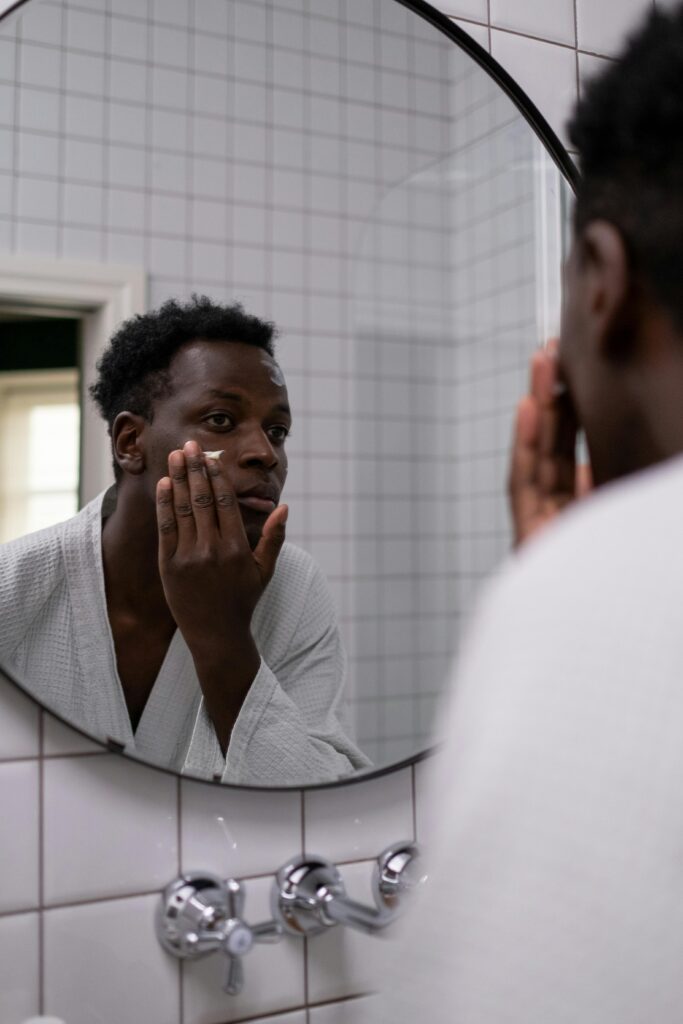
Choose an oil-free, non-comedogenic gel or light lotion, ideally with niacinamide or hyaluronic acid, and apply it morning and night once your treatment has absorbed. A thin layer is plenty; you want skin that feels comfortable rather than greasy. Gel formulas tend to sit better than heavy creams on acne-prone skin.
Protect With Sunscreen
Finish every morning with an oil-free, non-comedogenic sunscreen rated SPF 30 or higher. Sun does more than age the skin. It darkens the marks left by old breakouts and makes them take far longer to fade, which is the last thing you want while you are working to clear them.
Use about a nickel-sized amount for your face, and reapply if you are outdoors for long stretches. Look for words like matte, gel, or oil-free on the label, since these formulas feel lighter and are far less likely to clog pores than a thick, traditional sunscreen.
Best Ingredients for Acne-Prone Skin
A handful of proven ingredients do most of the heavy lifting against acne. Knowing what each one does makes it easier to target your breakouts without overloading your skin.
- Salicylic acid: A pore-clearing exfoliant that dissolves oil and unclogs blackheads and whiteheads.
- Benzoyl peroxide: Kills acne-causing bacteria and calms red, inflamed pimples.
- Retinoids and adapalene: Speed up cell turnover, keep pores clear, and help prevent new breakouts.
- Niacinamide: Reduces redness, helps regulate oil, and supports the skin barrier.
- Azelaic acid: Fights bacteria and helps fade the dark marks acne leaves behind.
Do not pile these on all at once. Combining strong actives, such as benzoyl peroxide with a retinoid, can leave skin dry and irritated, so introduce one at a time and give it a few weeks.
Quick Tips to Prevent Acne Breakouts
Good products clear existing acne, but breakout prevention is mostly about daily habits. A few small changes keep new pimples from forming in the first place:
- Change your pillowcase regularly, since it collects oil and bacteria overnight.
- Keep your hands off your face and resist the urge to pick at spots.
- Wash your face soon after sweating, especially after workouts.
- Look for non-comedogenic on the label of everything from moisturizer to sunscreen.
Above all, give any new routine time to work. Most acne treatments take four to six weeks to show real results, so consistency matters far more than constantly switching products. Resist the urge to over-wash as well, since cleansing more than twice a day strips the skin and can make breakouts worse rather than better.
Shaving With Acne-Prone Skin
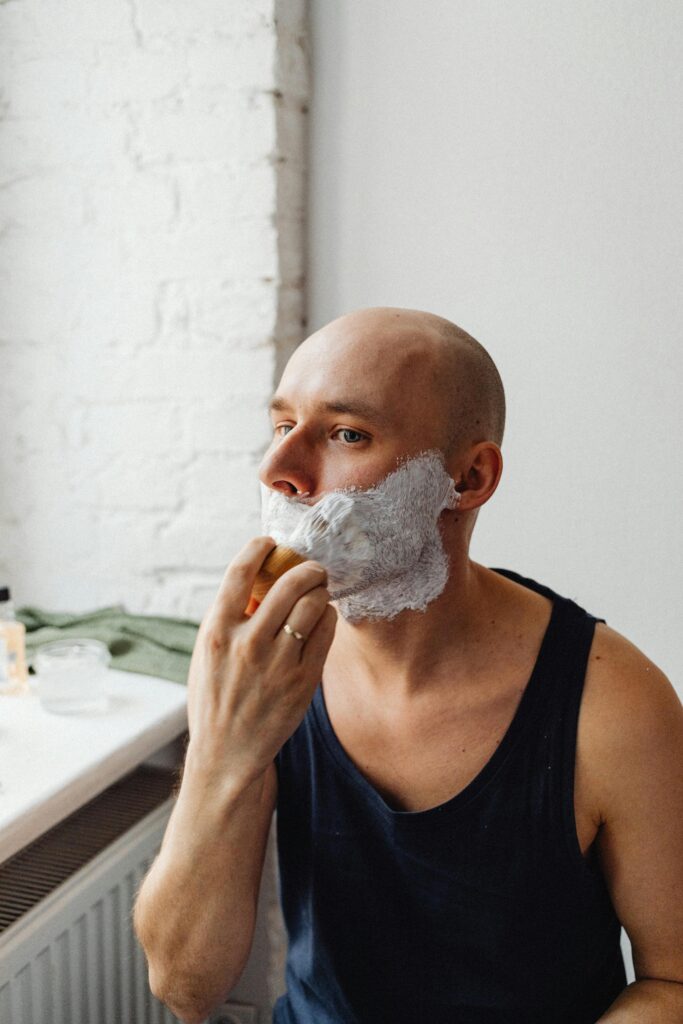
Shaving over acne-prone skin takes a little extra care, since a careless shave can nick pimples and spread bacteria. A few adjustments lower the risk:
- Soften the hair first by shaving after a warm shower.
- Use a sharp, clean razor and a non-comedogenic shaving cream or gel.
- Shave gently with the grain, working around active breakouts rather than over them.
- Rinse with cool water and follow with an oil-free moisturizer.
Done carefully, shaving will not make your acne worse. If your breakouts are severe or inflamed, shaving a little less often gives the skin room to heal.
How to Fade Acne Scars and Dark Marks?
Most of what men call acne scars are actually dark marks, the flat brown or red spots left after a pimple heals. These usually fade on their own over time, while true scars, which change the skin’s texture, are more stubborn.
The best way to deal with both is to prevent them. Avoid picking or squeezing, which deepens marks and raises the risk of real scarring, and wear sunscreen daily, since sun makes marks darker and slower to fade. Ingredients like niacinamide, azelaic acid, and retinoids can help even out tone and smooth texture gradually.
For raised or pitted scars that do not improve, a dermatologist can offer treatments like chemical peels, microneedling, or laser therapy that go well beyond what any cream can do.
When to See a Dermatologist?
At-home care handles most mild to moderate acne, but some cases call for professional help. See a board-certified dermatologist if your acne is cystic, painful, or widespread, if it is leaving scars, or if it simply is not improving after a couple of months of consistent care.
Dermatologists can prescribe stronger options than anything on the shelf, including prescription retinoids like tretinoin and adapalene, topical or oral antibiotics, and isotretinoin for severe, scarring acne. Getting help early can spare you both the breakouts and the marks they leave behind. Persistent acne can also wear on your confidence and mood, which is another good reason not to tough it out alone.
Conclusion
A good acne-prone skincare routine for men is built on consistency. Cleanse with a salicylic acid or benzoyl peroxide wash, treat your whole face with one active, moisturize with an oil-free formula, and protect with sunscreen every morning. Pair that with better habits, hands off your face, a fresh pillowcase, and a little patience, and most breakouts will steadily clear. When acne turns deep, painful, or scarring, a dermatologist can take it from there.
FAQs
Why do I keep breaking out as an adult man?
Adult breakouts in men are usually driven by hormones and high oil production, made worse by shaving, sweat, stress, and clogged pores. A consistent acne routine with the right actives, plus better daily habits, brings most cases under control.
Should I use salicylic acid or benzoyl peroxide?
Both work, but differently. Salicylic acid unclogs pores and suits blackheads and whiteheads, while benzoyl peroxide kills bacteria and targets red, inflamed pimples. Pick one based on your main concern, and avoid using both in the same product.
Does acne-prone skin really need moisturizer?
Yes. Skipping moisturizer makes acne worse, not better, because dry skin produces extra oil to compensate. Use a lightweight, oil-free, non-comedogenic moisturizer that hydrates without clogging pores, and your skin will stay balanced rather than overproducing oil.
How long does it take to clear acne-prone skin?
Most acne treatments need four to six weeks of consistent use before you see a real difference, and deeper or more stubborn acne can take longer. The key is sticking with one routine rather than switching products too soon.
Can shaving cause acne?
Shaving does not cause acne directly, but it can irritate skin, spread bacteria, and trigger breakouts or ingrown hairs, especially with a dull razor. Using a sharp blade, a clean technique, and a non-comedogenic shaving product keeps breakouts at bay.