If your skin stings when you try a new product, flares up after shaving, or turns red for no clear reason, there is a good chance you have sensitive skin. It is more common in men than most realize, and the fix is not a longer routine but a gentler one. A good sensitive skincare routine for men works by calming and protecting reactive skin rather than overloading it.
Sensitive skin reacts easily to harsh products, fragrance, weather, and shaving, so the aim is to cut out what irritates it and stick to a few soothing, fragrance-free essentials. Treated this way, even the most reactive skin can settle into something calm and comfortable, usually within a few weeks of easing off the triggers.
How to Tell If You Have Sensitive Skin?
Sensitive skin overreacts to things that would not bother most people, usually because its protective barrier is weakened. It can also overlap with dry or oily skin, and it is more common in men than many realize. In one representative US survey, about 38% of men reported having sensitive or very sensitive skin.
The usual signs include:
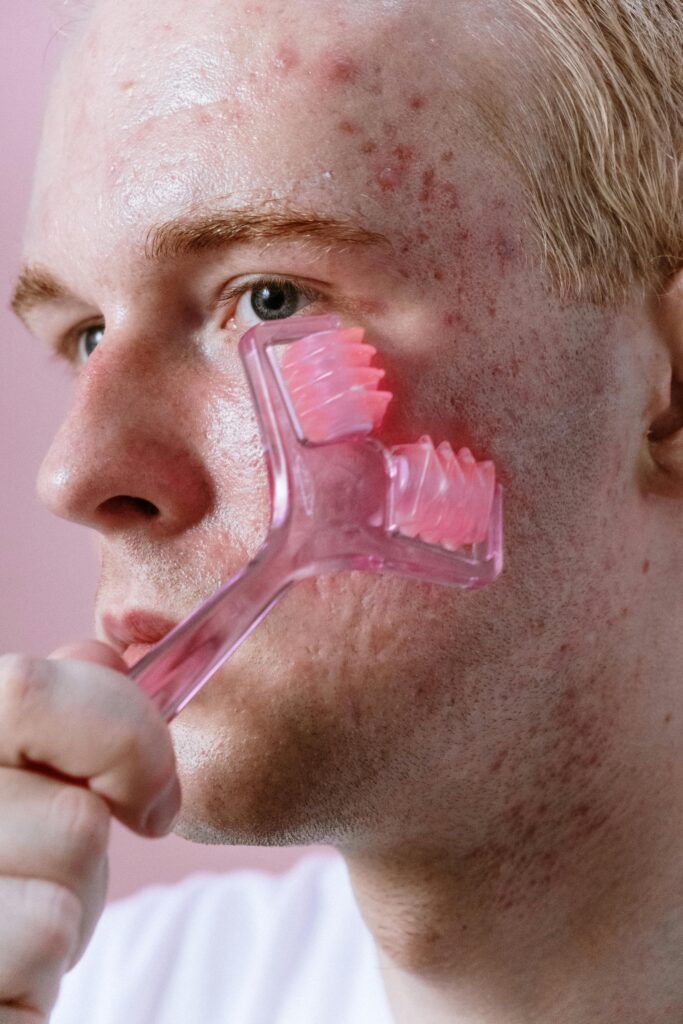
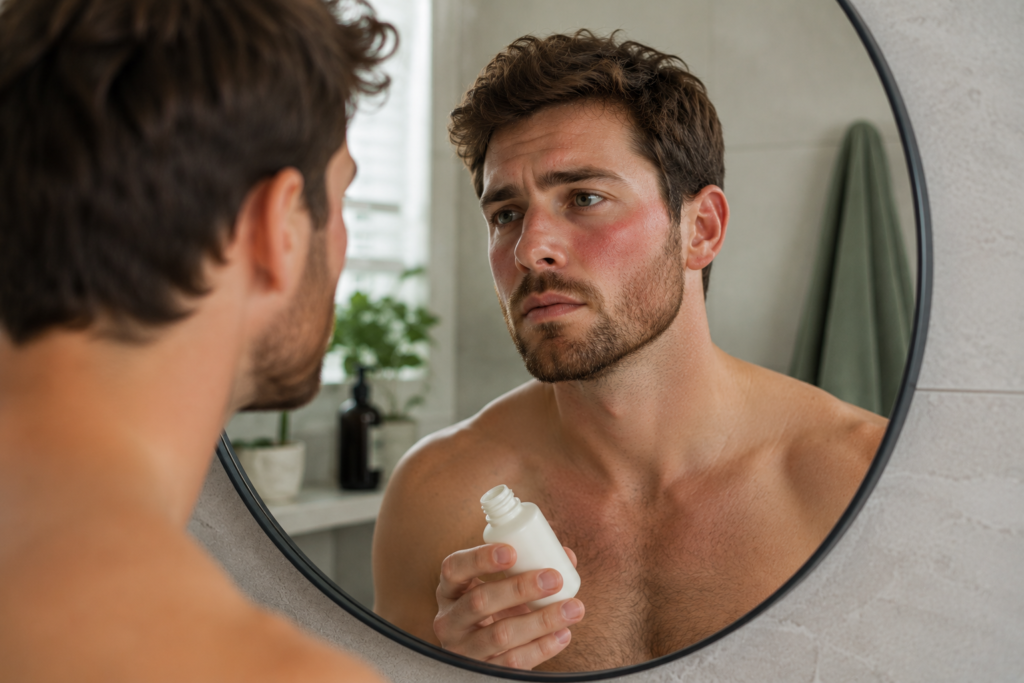
- Redness or flushing that comes and goes
- Stinging or burning when you apply products
- Tightness, itching, or a rough, dry feel
- Frequent reactions or breakouts after trying something new
If a few of these sound familiar, it is worth treating your skin as sensitive and adjusting your routine accordingly. When in doubt, gentler is always the safer choice.
What Triggers Sensitive Skin in Men?
Knowing your triggers is half the battle, since avoiding them often does more than any product. The most common culprits for men include:
- Shaving: The single biggest trigger, thanks to blade friction and razor burn.
- Fragrance and dyes: Among the most common irritants in skincare.
- Harsh cleansers: Sulfates and bar soap strip and weaken the barrier.
- Strong actives: High-strength retinol, acids, and alcohol-based products can overwhelm reactive skin.
- Over-exfoliating: Scrubbing too often or too hard sets off irritation.
- Weather: Cold, wind, and dry indoor air all leave skin more reactive.
You will not always be able to avoid every trigger, but cutting out the obvious ones makes a noticeable difference. Often, removing irritants matters more than adding treatments.
3 Basic Steps in a Sensitive Skincare Routine for Men
With sensitive skin, less is genuinely more. A short routine of a few gentle, fragrance-free products protects the barrier far better than a shelf full of actives, which only give reactive skin more to react to. Three steps are all most men need.
Cleanse Gently
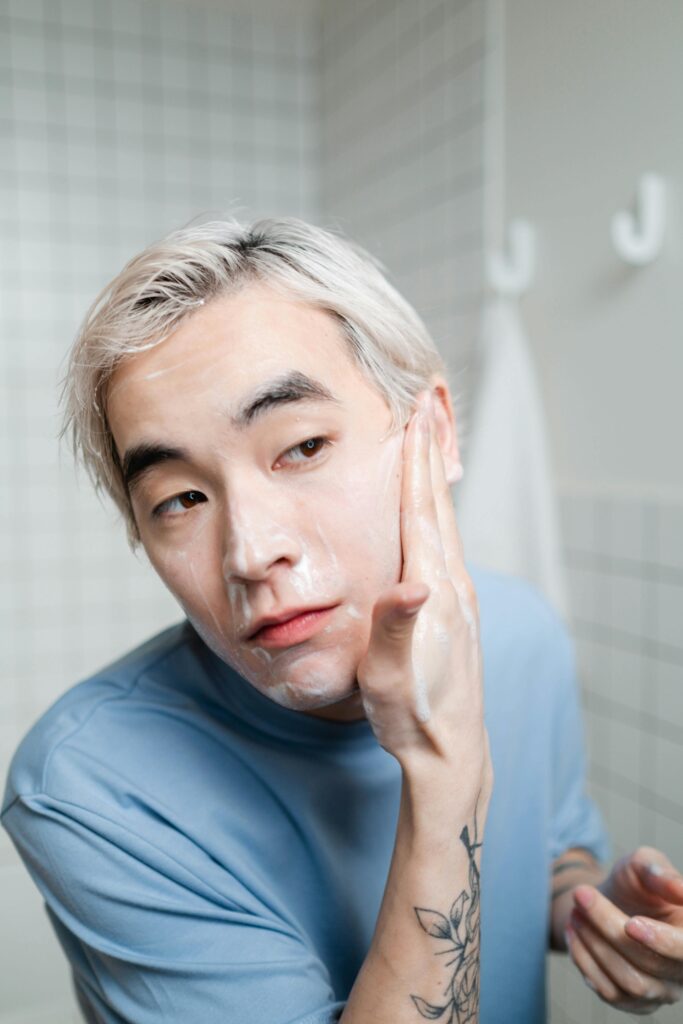
Use a mild cream or lotion cleanser rather than a foaming or scrub-based one, and wash with lukewarm water. Hot water and harsh formulas strip the skin and trigger irritation. Once in the morning and once at night is plenty, and pat your face dry instead of rubbing.
Moisturize to Strengthen the Barrier
Moisturizer is where sensitive skin recovers, so apply it twice a day. Look for a fragrance-free formula with barrier-supporting ingredients like ceramides, glycerin, or niacinamide, which calm the skin and help it hold moisture.
Applied to slightly damp skin, it locks in hydration and leaves the barrier more resilient over time. For very reactive skin, a thicker, soothing balm layered on at night can speed up that repair while you sleep.
Protect With Mineral Sunscreen
Sun protection is essential, but reactive skin often does better with mineral sunscreen. Formulas based on zinc oxide or titanium dioxide sit on top of the skin and tend to cause fewer reactions than some chemical filters. Choose a broad-spectrum SPF 30 or higher and apply it every morning as the last step.
Ingredients to Look For and Avoid
For sensitive skin, the ingredient list matters far more than the marketing on the front of the bottle. A few soothing ingredients are worth seeking out, while a handful of common irritants are worth avoiding outright.
Look for:
- Ceramides and glycerin: Repair and reinforce the skin barrier.
- Niacinamide: Calms redness and supports the barrier.
- Aloe, oat, and centella: Gentle, soothing, and anti-inflammatory.
Avoid:
- Fragrance and dyes: Fragrance is the most common cause of allergic reactions to cosmetics, which is why fragrance-free skincare is the safer default.
- Sulfates and harsh soaps: Strip the barrier and invite irritation.
- High-strength alcohol and strong acids: Too aggressive for reactive skin.
When a product is labeled fragrance-free and keeps its formula simple, it is usually the safer bet for sensitive skin.
How to Reduce Redness and Calm Irritation?
Redness is one of the most frustrating parts of sensitive skin, but a few habits help with redness reduction over time. Stick to soothing, anti-inflammatory ingredients like niacinamide, aloe, and centella, rinse with cool rather than hot water, and cut out the triggers setting your skin off in the first place. A simple, fragrance-free routine gives flushed skin the chance to settle. Consistency matters here, since calming reactive skin is a gradual process rather than an overnight fix.
However, persistent redness is worth taking seriously. If flushing, visible blood vessels, or bumps do not improve with gentle care, it may point to rosacea or another condition, and a board-certified dermatologist can confirm what is going on and recommend treatment.
Shaving Without Irritation
For most men, shaving is the number one source of irritation, so getting it right matters more than any product. A few adjustments make a real difference:
- Shave after a warm shower, when the hair is softer.
- Use a clean, sharp razor and a fragrance-free shaving cream or gel.
- Glide with the grain rather than against it to limit razor burn.
- Rinse with cool water and finish with a soothing, alcohol-free balm.
Done this way, shaving stops being a daily assault on your skin. If razor burn or bumps persist, shaving a little less often gives reactive skin time to recover.
Patch-Test Before Trying Anything New
Sensitive skin and surprises do not mix, so patch-test any new product before putting it on your face. Apply a small amount to a discreet area, such as the side of your neck or inner forearm, once a day for a few days, and watch for redness, itching, or stinging.
If nothing happens, it is likely safe to use. Introduce only one new product at a time as well, so that if something does react, you know exactly what caused it. Reactions can take a day or two to surface, so give each test enough time before deciding a product is safe.
Conclusion
A sensitive skincare routine for men works best when it is short, gentle, and consistent. Cleanse with a mild cleanser, repair the barrier with a fragrance-free moisturizer, protect with mineral sunscreen, and treat shaving as the main event it is for reactive skin. Avoid fragrance and harsh actives, patch-test anything new, and give your skin time to calm down. Keep it simple, and sensitive skin becomes far less reactive and far more comfortable to live in.
FAQs
How do I know if I have sensitive skin?
Sensitive skin tends to react easily, with redness, stinging, burning, or tightness, especially after shaving or trying new products. If your skin frequently feels irritated or flushes without a clear cause, it is reasonable to treat it as sensitive.
What triggers sensitive skin in men?
Common triggers include shaving, fragrance and dyes, harsh cleansers and sulfates, strong actives like high-strength retinol or acids, over-exfoliating, and harsh weather. Identifying and avoiding your personal triggers usually helps more than adding new products.
What ingredients should men with sensitive skin avoid?
Avoid fragrance and dyes, sulfates, harsh soaps, high-strength alcohol, and aggressive exfoliants, all of which can irritate reactive skin. Choose simple, fragrance-free products with soothing ingredients like ceramides, niacinamide, and aloe instead, and keep your routine short.
How can I reduce redness on my face?
Reduce redness by using soothing ingredients like niacinamide and aloe, rinsing with cool water, and avoiding known triggers such as fragrance and harsh products. If redness is persistent or comes with bumps, see a dermatologist to rule out rosacea.
Is fragrance-free skincare better for sensitive skin?
Yes. Fragrance is one of the most common causes of skin reactions, so fragrance-free skincare lowers the risk of irritation for sensitive skin. Note that fragrance-free is not the same as unscented, which can still contain masking fragrances.