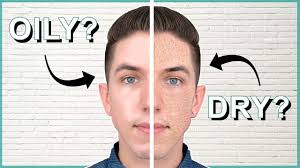

The best skincare routine for oily skin in men is designed to manage oil instead of stripping it away. It keeps shine and breakouts in check while still giving the skin the hydration it needs. Balance is the goal, because drying the skin out completely tends to backfire and trigger even more oil.
Oily skin is one of the most common concerns men face, driven mostly by hormones and active oil glands. Managing it does not take a cabinet full of products. Good oily skin skincare for men relies on a few well-chosen steps, the right ingredients for sebum control, and a bit of consistency.
What Causes Oily Skin in Men?
Oily skin comes down to overactive sebaceous glands producing too much sebum, the natural oil that keeps skin lubricated. In men, those glands tend to run especially busy. Male skin is influenced by androgens such as testosterone and DHT, which stimulate oil production, and sebum production in men’s skin is consistently higher than in women’s and stays steady with age rather than tapering off over time.
Men also tend to have thicker skin and larger pores, which make oil and congestion more noticeable. The T-zone across the forehead, nose, and chin usually shows it first, since that area holds the most oil glands. There is also a common trap worth knowing about. When the skin is stripped by harsh products or over-washing, it often responds by producing even more oil to compensate. That is why sebum control is about regulating oil, not waging war on it.
Why Oily Skin Still Needs a Moisturizer?
It seems backward, but skipping moisturizer is one of the worst things you can do for oily skin. When the skin is left dry and tight, it reads that dryness as a signal to produce more oil, leaving you shinier than before.
The key is not to skip hydration but to choose it carefully. A lightweight, oil-free, non-comedogenic moisturizer hydrates the skin without clogging pores or adding grease. Used twice a day, it actually helps keep oil production steady and balanced. In short, the aim is to reassure the skin that it is hydrated, so it has no reason to overcompensate with more oil.
4 Steps in a Skincare Routine for Oily Skin in Men
Effective oily skin skincare for men keeps things simple and consistent. There is no need for a dozen products, since the right few used regularly do more than an overloaded shelf ever will. These are the core steps that manage oily skin without stripping it.
1. Cleanse
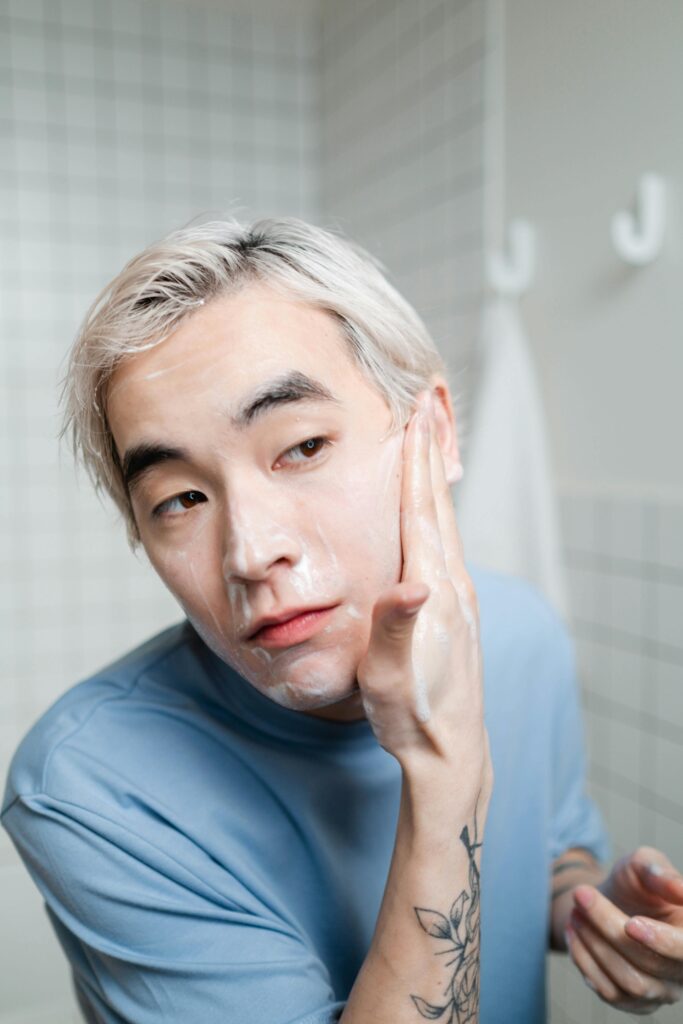
Cleansing is the foundation of any oily skin routine. Wash twice a day, morning and night, with a gentle gel or foaming cleanser made for oily or acne-prone skin. These formulas lift away excess oil, sweat, and dirt without the tight, stripped feeling that harsher products leave behind.
Use lukewarm water rather than hot, and resist the urge to scrub. Aggressive washing irritates the skin and can push oil glands into overdrive, which is the opposite of what you want.
2. Exfoliate
Exfoliation clears the dead skin and trapped oil that build up in pores and lead to congestion. For oily skin, a chemical exfoliant with salicylic acid works best, because this BHA dissolves oil and reaches inside the pores rather than just buffing the surface. Use it one to three times a week, never daily. It is one of the most effective steps for sebum control, though overdoing it irritates the skin and can make oiliness worse.
3. Moisturize
Even oily skin needs daily moisture, so this step is not one to skip. Choose a lightweight, oil-free, non-comedogenic moisturizer or a gel formula that hydrates without leaving a greasy film. Apply a small amount morning and night after cleansing. Well-hydrated skin has less reason to overproduce oil, which keeps shine down over time.
4. Protect
Sunscreen matters even for oily skin. Daily UV exposure drives premature aging and can darken the marks left behind by breakouts. Look for an oil-free, matte-finish, broad-spectrum sunscreen of at least SPF 30, and apply it every morning as the final step. Many oily-skin moisturizers now include SPF, which keeps the routine simple.
Best Ingredients for Oily and Acne-Prone Skin
Reading labels gets easier once you know what to look for. A handful of ingredients do most of the heavy lifting for oily and acne-prone skin:
- Salicylic acid (BHA): Clears oil from inside the pores and helps prevent breakouts.
- Niacinamide: Helps regulate oil and calm redness, supporting sebum control.
- Clay: Absorbs excess surface oil, often used in masks for a deeper clean.
- Hyaluronic acid: Lightweight hydration that adds water without adding oil.
- Retinoids: Boost cell turnover and keep pores clear, useful at night for acne-prone oily skin.
You do not need all of these at once. Start with one or two that match your main concern and build from there.
How to Handle Acne-Prone Oily Skin?
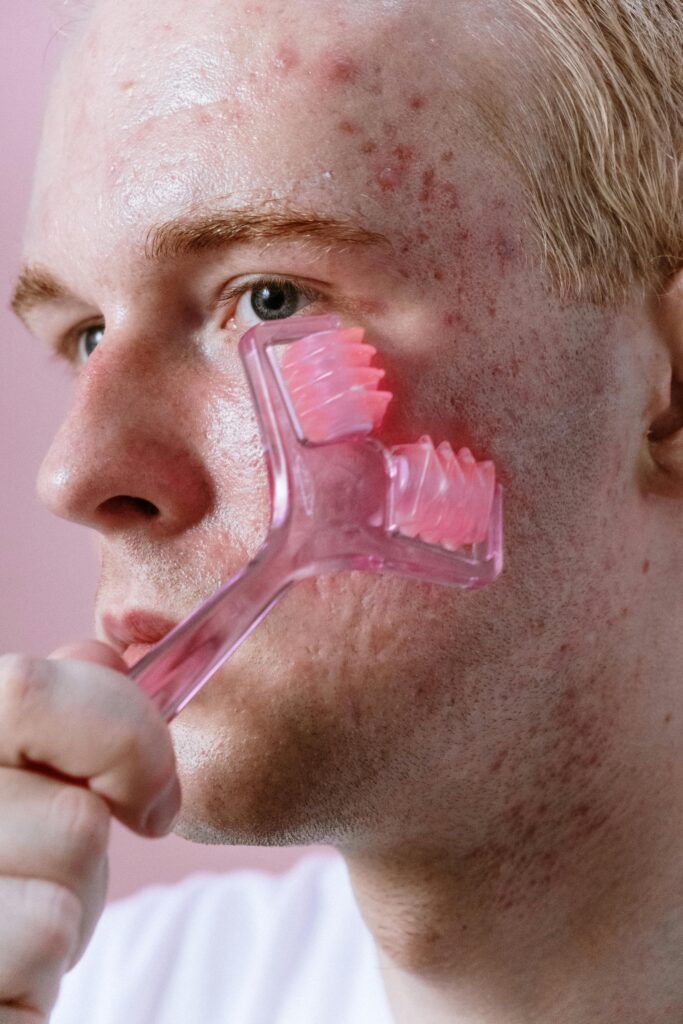
Oily skin and acne tend to go hand in hand. When excess sebum mixes with dead skin cells and bacteria, it clogs pores and sets the stage for breakouts, which is why oily skin is so often acne-prone. It is also extremely common, as acne is the most common skin condition in the United States, affecting up to 50 million Americans a year.
If breakouts are a regular issue, the most important rule is to treat them gently and patiently. Reach for a single targeted active rather than several at once. Salicylic acid is a good starting point for clogged pores, while benzoyl peroxide helps with inflamed, bacterial breakouts, though it can be drying, so it works best on its own. Whichever you choose, give it a few weeks before adding anything else, since layering strong actives at the same time tends to irritate the skin and make breakouts worse.
Just as important is what not to do. Avoid picking or squeezing breakouts, which spreads bacteria and can leave behind scars or dark marks that linger long after the blemish heals. And if your acne is persistent, painful, or cystic, there is no need to tough it out alone. A board-certified dermatologist can prescribe stronger treatments tailored to acne-prone oily skin and help prevent long-term scarring.
Quick Tips to Control Oil Through the Day
Even with a solid routine, oily skin can shine by midday, and a few simple habits help with sebum control between washes:
- Use Blotting papers: Press gently onto oily areas to absorb excess oil without disturbing the skin.
- Wash after sweating: Rinse your face after workouts to clear sweat and oil before they settle into pores.
- Resist over-washing: Cleansing more than twice a day strips the skin and tends to trigger more oil.
- Keep your hands off your face: Touching transfers oil and bacteria throughout the day.
Small adjustments like these keep shine in check without throwing your skin off balance.
Final Takeaway
An effective skincare routine for oily skin in men relies on consistency with a few well-chosen products. Cleanse twice a day, exfoliate with salicylic acid a few times a week, moisturize with a lightweight oil-free formula, and finish each morning with an oil-free SPF, and you give oily skin everything it needs without stripping it.
Choose gentle, non-comedogenic products, lean on ingredients like salicylic acid and niacinamide for sebum control, and stay patient, since visible results build over a few weeks rather than days. Manage the oil instead of fighting it, and shine, breakouts, and clogged pores all become far easier to keep in check.
FAQs
Why is my skin so oily?
Oily skin is caused by sebaceous glands producing excess sebum, largely driven by hormones such as testosterone and DHT. Genetics, age, heat, and harsh products that strip and over-dry the skin can all push oil production higher than you want.
How often should men with oily skin wash their face?
Twice a day is ideal, once in the morning and once at night, plus after heavy sweating. Washing more often than that strips the skin and can trigger more oil, while washing less allows oil and dirt to build up.
Should men with oily skin use moisturizer?
Yes. Skipping moisturizer often makes oily skin worse, because dry, tight skin produces more oil to compensate. Use a lightweight, oil-free, non-comedogenic moisturizer twice a day to hydrate the skin without clogging pores or adding shine.
What ingredients are best for oily skin?
Salicylic acid clears oil from pores, niacinamide helps regulate sebum and calm redness, and clay absorbs surface oil. Hyaluronic acid adds oil-free hydration, while retinoids keep pores clear at night. Start with one or two rather than all at once.
Does oily skin cause acne?
Oily skin does not directly cause acne, but excess sebum can clog pores and combine with dead skin and bacteria to trigger breakouts. That link is why oily and acne-prone skin often overlap, and why controlling oil helps reduce acne.